


Baby Boomers Account for Decrease in Labor Force Participation, Fed Says
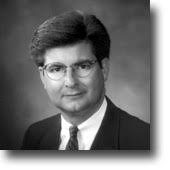
By Kevin Marrs, courtesy of SBAM-approved partner, ASE
One area that has plagued our nation’s recovery from the pandemic has been the sluggish labor force participation rate (LFPR). According to recent analysis by the Federal Reserve, the February 2023 LFPR was 0.8 percentage points lower than its February 2020 level. This gap in participation amounts to 2.1 million individuals who are not part of the labor force.
The LFPR is a crucial indicator of an economy’s health, measuring the percentage of the working-age population that is employed or actively seeking work. There have been many theories as to the potential causes of the sluggish participation rate from the opioid crisis, changing cultural attitudes towards work, and disability rates to name a few.
In their analysis, the Federal Reserve evaluated three possible causes or drivers of the current gap. Specifically, they focused on the potential effect of the baby boomers reaching retirement age, the effect of COVID on those of retirement age, and finally the effect of long COVID and disabilities.
Their analysis found that nearly all of the participation gap can be explained by population aging, which caused a significant rise in the number of retirements. Higher retirement rates compared to pre-COVID have had only a modest effect, while disability has virtually no effect. So, as Baby Boomers continue to work their way to retirement age (around 2030), we will likely continue to see downward pressure on the LFPR.
Interestingly, in ASE’s recently released Employee Turnover Survey, 34% of all participants indicated that retirement was a cause of exempt-level turnover. This represents a sizeable brain drain for employers who will lose that knowledge base.
One potential solution to the challenges posed by an aging workforce is to encourage older workers to remain in the labor force for longer. This can be achieved through policies such as flexible working arrangements, training and re-skilling programs, and incentives for employers to hire older workers. By keeping older workers in the labor force for longer, the LFPR can be maintained, and the productivity and skills of the labor force can be improved.
The aging workforce is a significant challenge that many countries are facing, and it can have a significant impact on the LFPR. However, by implementing policies to encourage older workers to remain in the labor force, the negative impact of an aging workforce can be mitigated, and the labor force can remain healthy and productive.
Source: https://libertystreeteconomics.newyorkfed.org/2023/03/what-has-driven-the-labor-force-participation-gap-since-february-2020/
Images courtesy of SBAM