

And how you can be a part of our next grant opportunity (time-sensitive!)
What we learned after deploying $1.2M in rural & Indigenous grantsAnd how you can be a part of our next grant opportunity (time-sensitive!)
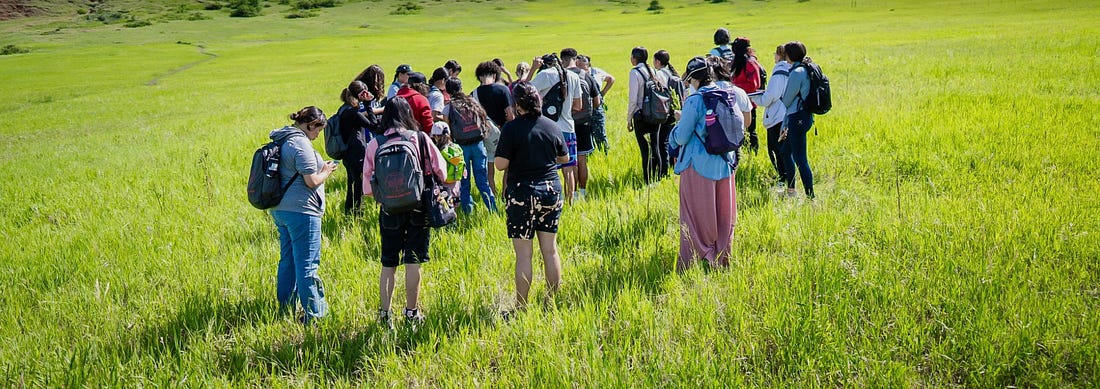
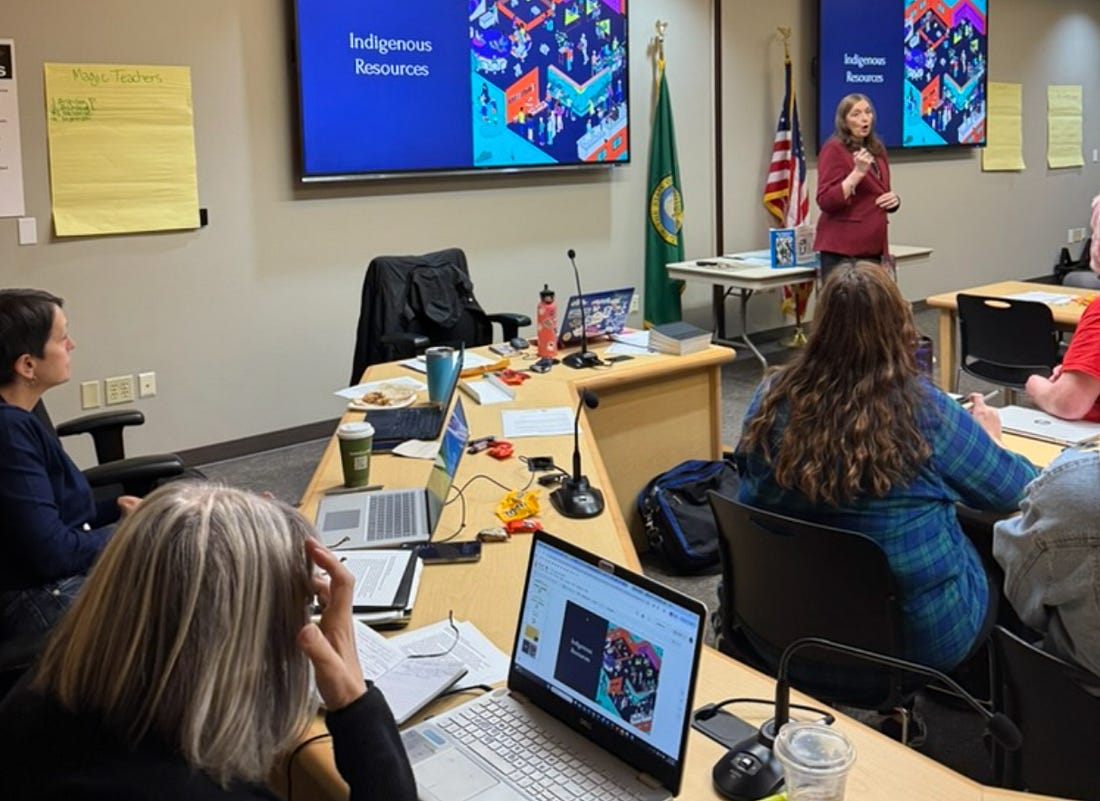
Indigigenius was one of nearly two dozen grantees in our first Catalyst Program. The native-led nonprofit works to advance Indigenous sovereignty in AI education, and as part of the grant co-designed community-informed and culturally grounded AI literacy strategies. We’re going to try incorporating more guest articles going forward, starting with this one by Emma Doggett Neergaard, whose team developed and managed our Community Catalyst grant program. Applications for Round 2 of grants are now open. Letters of Intent are due May 21. Learn more here. Over to you, Emma! +++ I’m Emma Doggett Neergaard, aiEDU’s Chief Programs Officer. Alex handed me the reins to his Substack this week to talk about one of aiEDU’s flagship programs: our Community Catalyst Program. Catalyst is focused on building AI Readiness directly in communities, by investing in the local teachers, educators, and leaders already working to make sure their kids are ready for an AI-powered future. In our first round of giving, we delivered $1.2M in subgrants to 21 organizations across 17 states. Catalyst is an investment of scaling AI Readiness from the ground up, in the communities closest to students, led by people who already know what their kids need. The whole program is designed to support that theory in practice. A few months out from the close of Round 1, I want to share what we learned. There are three things I’m proud of about this first round, and each one taught us something that’s shaping how we’re running Round 2. First: Catalyst worked because communities designed the work themselves.We believe AI Readiness has to be built from the ground up, by the teachers, educators, and local leaders who know what their students need. Or, as Alex put it in his last Substack post: AI Readiness is an organizing problem. We were adamant that this funding wasn’t about pushing another tool into the classroom. These grants were meant to give educators the time and resources to imagine, thoughtfully, how AI might play a role in their classrooms – whether that meant building culturally relevant curricula, designing peer learning structures, or making sure AI was supporting their classroom’s unique needs and outcomes. Durable skills like communication, judgment, and critical thinking are what students need most to succeed in a world with AI, and we wanted to fund programming that led with those skills, with technology tools playing a secondary role. What we saw in practice tracked that intention closely. In Olympia, Washington, Capital Region Educational Service District 113 used their Catalyst grant to run an AI Learning Circle in partnership with two of their Local Education Agencies: Wa He Lut Indian School – serving students from over 25 Indian Nations – and the neighboring Yelm Community Schools. They built out four Saturday sessions structured around both Indigenous talking-circle traditions and hands-on work learning and building with AI. Interest in the program far exceeded what they thought possible: when the team set out to recruit 15 to 20 educators, 45 applied.
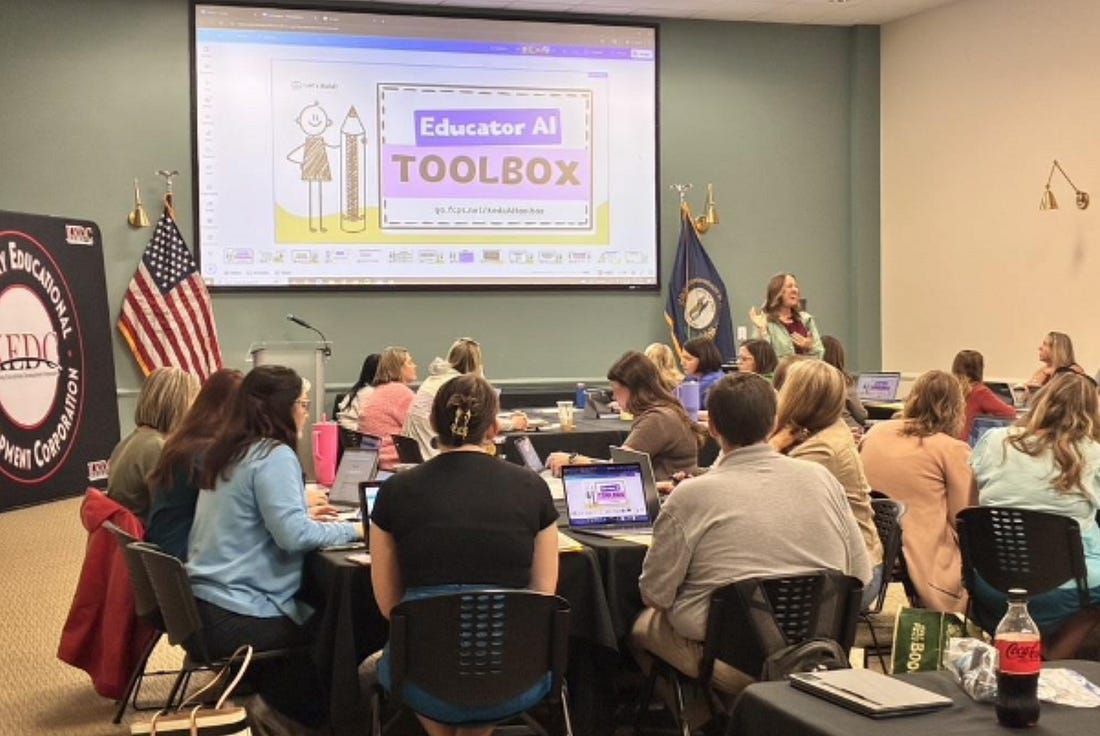
Across the cohort, teachers landed on a working principle they called the 80/20 approach: AI handles the structural work, and the educator’s expertise and cultural knowledge carry the part that matters. Or, as one teacher put it: AI is the launching pad. Teacher knowledge is the rocket fuel. The strongest work we saw in Round 1 wasn’t the most technologically-driven. And the shape of each project varied, from capacity-building and community engagement to peer cohorts and professional learning. What was consistent was that grantees designed the work themselves, in response to what their communities needed. That’s the theory of change in action: we supported the people doing the work, and the work took shape locally. Second: Catalyst directed resources to rural and Indigenous communities specifically.Rural and Indigenous communities are often described in terms of what they lack: resources, access, proximity to the conversations shaping national policy. What we saw in Round 1 was the opposite. These are communities already doing some of the most thoughtful AI Readiness work in the country. AI Readiness isn’t going to be built nationally before it’s built locally, and it’s already being built locally, by the educators in these communities. Our job is to follow their lead and back the work. That meant funding work shaped by the specific needs of the communities we were investing in. Through KEDC’s Think AI cohort, two teachers in the same rural Kentucky school – a preschool teacher and a school librarian – paired up to design a program serving their students’ reading needs, using AI to support the work. The cohort gave them the structure to build something together that didn’t exist before.
It also meant funding work at scales most national programs don’t reach. The Rural Alliance, which supports more than 80 rural districts in Eastern Washington, gave us a venue to run an AI Readiness professional learning community for a group of rural superintendents – working through how to write district policy and how to talk to a school board that’s nervous about ChatGPT. In rural Eastern Washington, where the nearest peer superintendent might be three counties away, The Rural Alliance is the rare structure that creates space for system leaders to think together. Catalyst gave us a way to support their AI Readiness work. Third: Catalyst was bigger than its 21 grants.aiEDU is a small organization – fewer than 30 people. For a team that typically launches and implements projects ourselves, supporting other organizations to do the same was new territory. As we were dreaming up the program, we thought a lot about what we wanted our role to be. We knew we didn’t want to micromanage. And yet we have significant expertise in helping schools and districts build AI Readiness, and we wanted to bring that value forward.
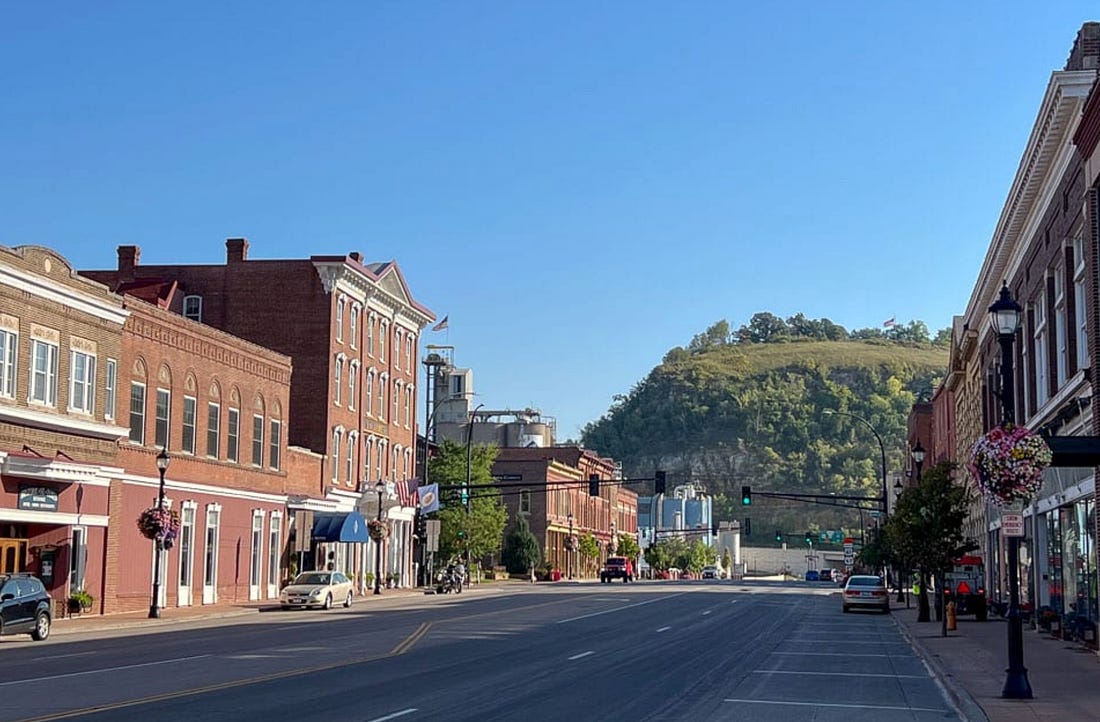
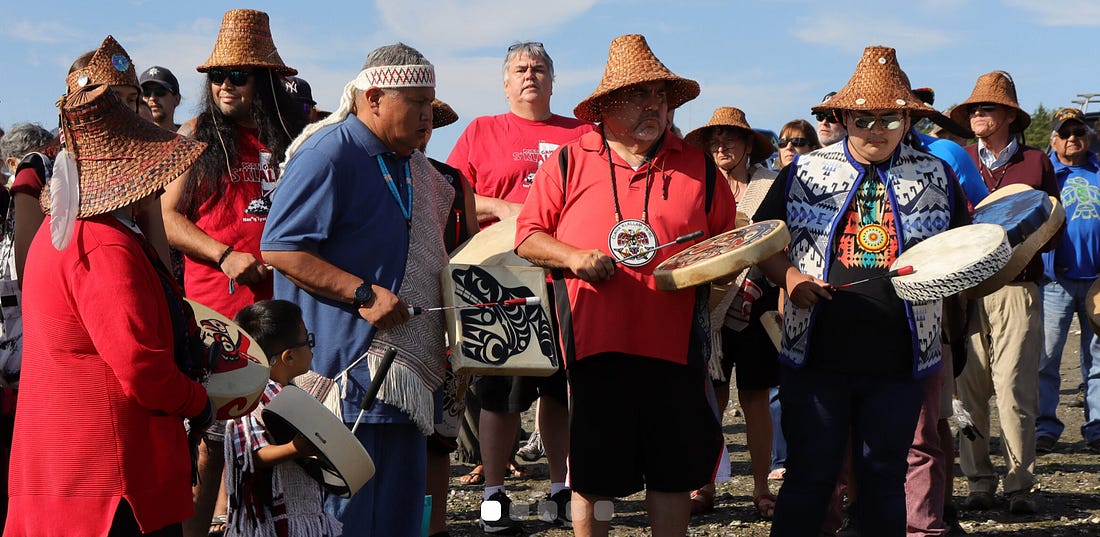
Red Wing, Minnesota In some cases, we paired grants with in-kind support from our team. With Red Wing Public Schools, we led two professional learning sessions to help support their Flightpath 2030 initiative. The Rural Alliance superintendent PLC was the same kind of arrangement: a project where the value we added was our team’s time in addition to dollars. The bigger thing we figured out about how we could best support our grantees, though, was something we only saw clearly once Round 1 was underway. We organized grantees into cohorts and convened them twice over the grant term. We thought of those convenings as resource-sharing – a way to surface aiEDU tools and let grantees compare notes. They turned out to be something more. The Ulu Lāhui Foundation in Hawaiʻi and the Port Gamble S’Klallam Tribe in Washington found each other at one of our convenings, drawn together by a shared commitment to preserving language in their Native cultures.
The mission of the Port Gamble S’Klallam Tribe is to exercise sovereignty and ensure self-determination and self sufficiency through visionary leadership. A few months later, Port Gamble used part of their grant to bring out a colleague they’d met through the Ulu Lāhui Foundation to run an exhibit for Native families at their Tech It Out community event. A connection that started in our cohort grew into something more. That same sentiment echoed throughout our grantee feedback at the end of Round 1. The strongest piece of feedback was nearly unanimous: two convenings in six months wasn’t enough. What we realized was that we weren’t just funding individual projects. We were resourcing a network of educators across the country who care deeply about navigating an AI future with thoughtfulness and care, about understanding this technology so we know how to use it, and how not to use it, in ways that support students’ learning and prepare them for the jobs of tomorrow. The investments compounded across grantees, in ways we hadn’t designed and couldn’t have predicted. That’s what we’re carrying into Round 2, and what we’re most excited to build on. What’s changing in Round 2 (and how to be a part of it!)In Round 1, we funded a wide range of projects in part to learn what worked and what didn’t. Round 2 is built around what we learned. Grants are now twelve months instead of six – long enough for the kind of pedagogical work above to actually root in a community. We’re also focusing the scope: we’ll be funding professional learning and educator capacity-building, because that’s where we saw the most durable impact. And Round 2 grantees will have more wraparound support from aiEDU, not less, including seats in our Trailblazer Fellowship, access to our train-the-trainer program, and more cohort time across the year. We’re building out a shared infrastructure so grantees aren’t all inventing the same things from scratch. We almost always have more strong projects coming in than we have capacity to fund, and we expect Round 2 will be no different. What we’re most excited about is the scale of the network we’ll be building – and the compounding we’ll see across grantees in this cohort, on top of what we built in the first. If any of this resonates with you — if your organization is working on AI Readiness, or you know someone at a school district, an educational service agency, or a nonprofit doing this work, and you have a seed of an idea for your community — I’d love for you to apply to be a part of our Round 2 cohort. Letters of Intent are due May 21—details and the form can be found here. Round 1 helped us realize the program was bigger than its individual grants. We’re excited to see what Round 2 makes possible. |