

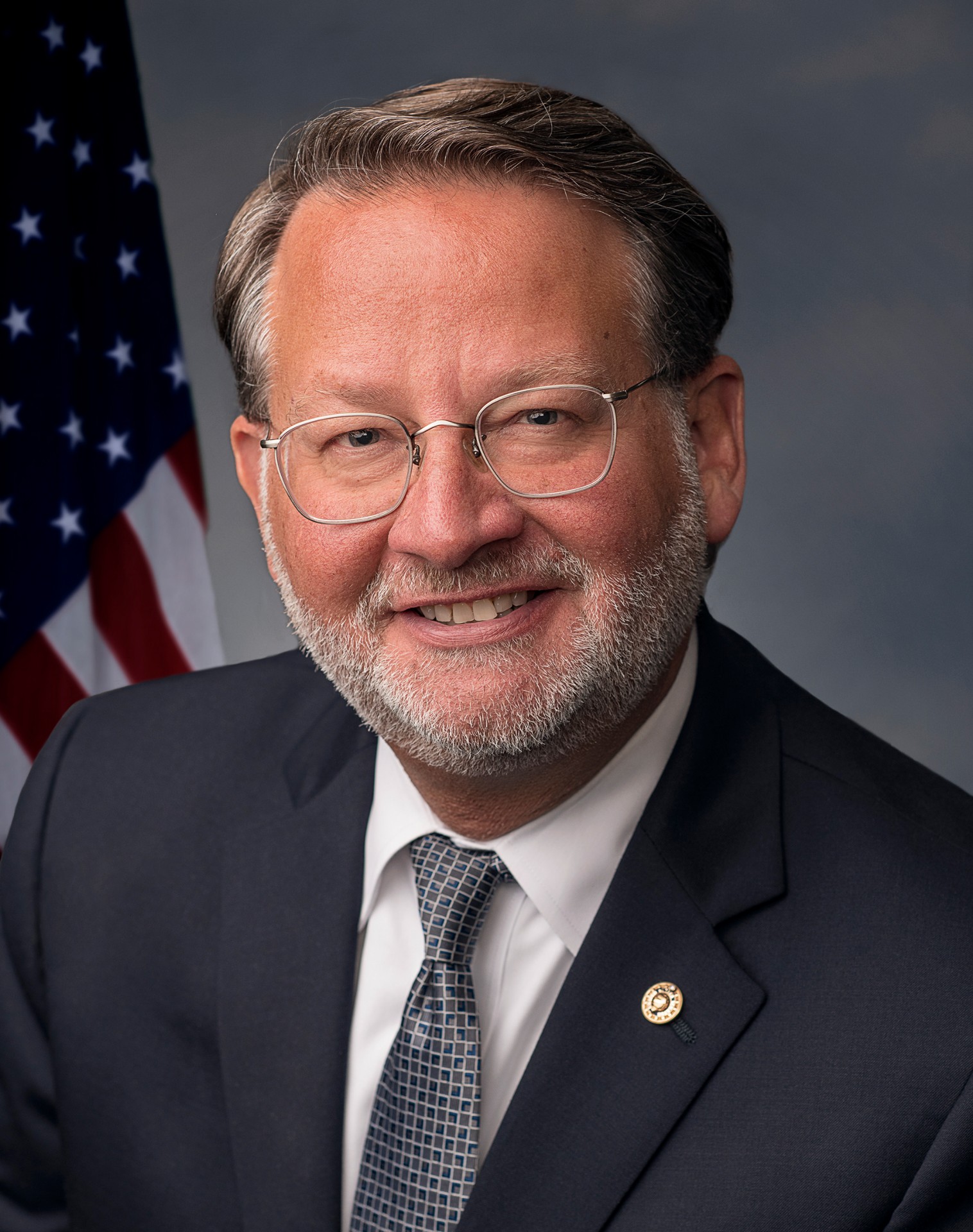
WASHINGTON, DC – U.S. Senator Gary Peters (MI), Chairman of the Senate Committee on Commerce, Science, and Transportation Subcommittee on Surface Transportation, Maritime, Freight, and Ports, yesterday convened a hearing on ways to strengthen America’s supply chain and support the freight industry and the millions of workers that work in it.
The hearing highlighted how the freight industry continues to support businesses and commerce during the pandemic, as well as how supply chain disruptions can cause ripple effects that impact the entire economy. During his questioning, Peters also discussed a number of Michigan priorities, including the importance of the Soo Locks and supporting Great Lakes ports.
“The fact that most Americans can safely assume the things they need will be in stock – from groceries to household goods and more – is a testament to the success of the freight industry,” said Senator Peters in his opening remarks. “This is especially important during the pandemic. Deliveries have increased exponentially so that American families can get what they need from the safety of their homes. We owe a debt of gratitude to the workers who have made this possible by putting themselves in harm’s way and by working around the clock.”
“Our supply chains are very efficient, but not resilient. So when the unexpected happens, like a ship blocking the Suez Canal thousands of miles away, supply chain problems can compound dramatically,” continued Senator Peters. “We have a chance to enter a new era of freight mobility that will support countless jobs and families – grow new industries – protect the environment – and improve safety. I look forward to working with my colleagues on this subcommittee to make that vision a reality.”
To watch video of Senator Peters’ opening remarks, click here. For text of Peters’ opening remarks as prepared, click here.
To watch video of Senator Peters’ questions, click here.
Peters has repeatedly highlighted the need to strengthen supply chains – including before the pandemic. He introduced a legislative package to improve federal focus on domestic manufacturing, including both short-term supply chain issues highlighted by the pandemic and longer-term problems related to a lack of a national manufacturing strategy.
In 2019, Peters released a report on the rising prices of prescription drugs and ways to lower costs. The report delved into shortages and supply chain challenges and how dependence on foreign sources could lead to national security risks. He previously sent a letter to the FDA pressing them on their efforts to counter drug shortages. Before the pandemic took full grip of the country, Peters led a bipartisan effort pressing the Administration for information on the security of the nation’s medical supply chain, as COVID-19 inched closer to the country. Peters raised alarms that COVID-19 could lead to shortages of critical drugs and medical equipment, including vaccine supplies.
Last year, Peters passed bipartisan legislation into law shoring up our nation’s agricultural supply chain to ensure the safe and secure trade of agricultural goods across our nation’s border.
###