

Legislation to Prevent Drunk Driving, Save Lives & Improve Federal Practices for Vehicle Crash Testing Among Provisions Peters Led or Supported in Surface Transportation Bill
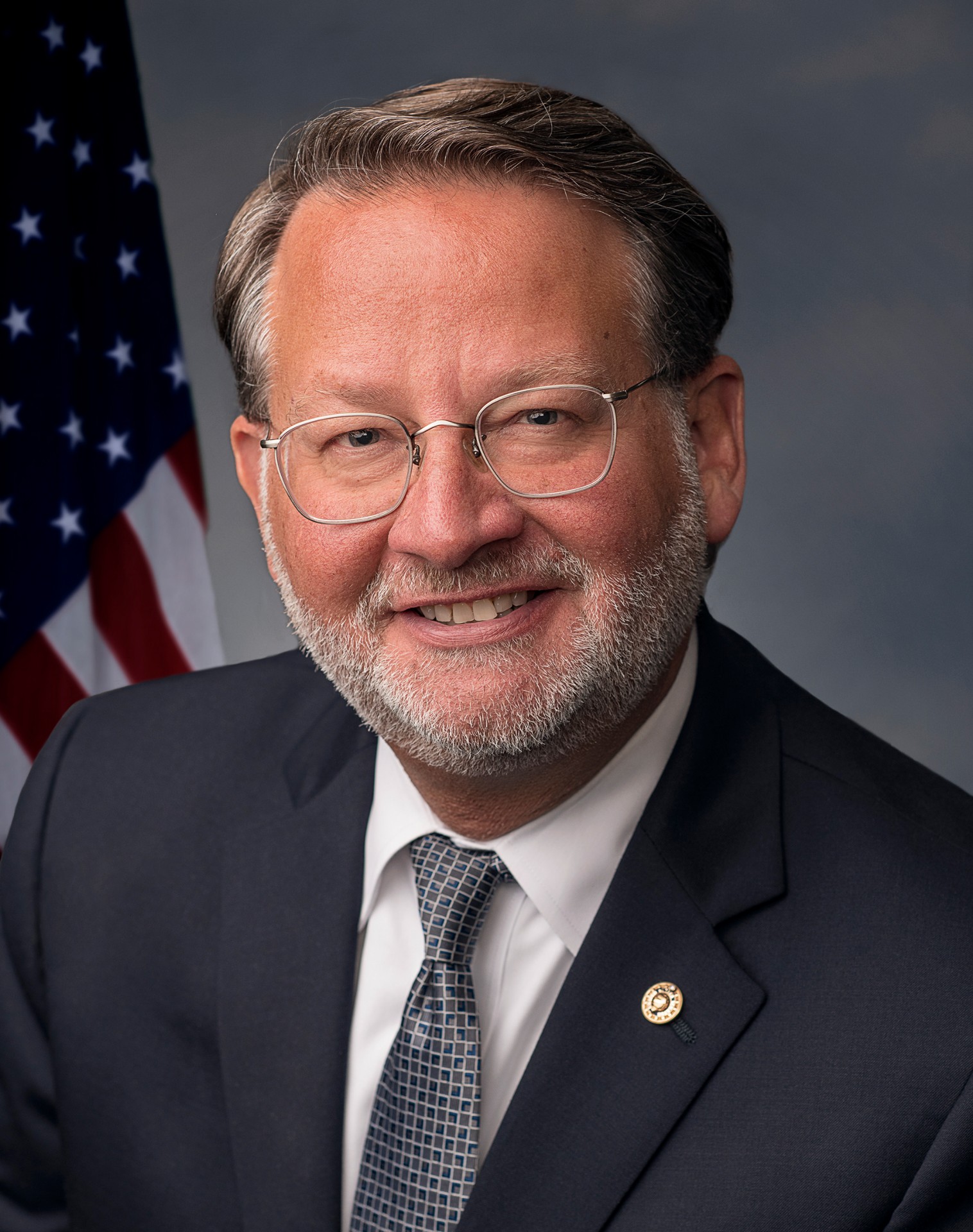
WASHINGTON, DC – U.S. Senator Gary Peters (MI) today pressed for full Senate passage of sweeping surface transportation legislation that included a number of bipartisan provisions he authored. The legislation advanced out of the Senate Commerce, Science and Transportation Committee last week.
“Whether it’s improving vehicle crash safety testing – helping prevent drunk driving – or addressing school bus safety – this legislation will save lives and make much-needed investments in our freight, rail and surface transportation systems in Michigan and across the country,” said Senator Peters, Chairman of the Subcommittee on Surface Transportation, Maritime, Freight, and Ports. “I was proud to work on this bipartisan legislation which was advanced out of the Senate Commerce Committee, and I’ll continue working to upgrade our transportation infrastructure.”
The legislation includes a number of bipartisan provisions and bills that Peters introduced or cosponsored, including:
· Incorporating Technology to Prevent Drunk Drinking into Vehicles and Save Lives: The legislation includes the RIDE Act, which Peters cosponsored, to promote the research and development of advanced alcohol detection technology and require auto manufacturers to implement this technology in new car models. Peters previously announced he cosponsored the legislation at a hearing he convened as Chairman of the Surface Transportation, Maritime, Freight, and Ports Subcommittee on the future of the American auto industry. Rana Abbas, a Michigander and advocate with Mothers Against Drunk Driving, testified at the hearing.
· Updating Standards for Federal Vehicle Crash Test Dummies: The bill also includes the FAIR Crash Tests Act that Peters introduced with U.S. Senator Deb Fischer (R-NE) to improve the federal government’s vehicle safety testing practices, specifically around crash test dummies. The legislation would order a Government Accountability Office (GAO) study of federal vehicle safety tests. The tests fail to use crash test dummies that are representative of women, especially in the driver’s seat, even though research suggests that women have a higher likelihood of being killed or significantly injured in a car crash.
· Improving School Bus Safety: The legislation includes the Stop for School Buses Act, which Peters previously reintroduced with U.S. Senator Todd Young (R-IN). This bipartisan bill requires a comprehensive evaluation of methods to prevent the dangerous and illegal passing of school buses at loading zones.
· Strengthening Transportation Sector Workforce: The legislation includes the Promoting Service in Transportation Act, which Peters reintroduced with U.S. Senators Dan Sullivan (R-AK) and Catherine Cortez Masto (D-NV). The bill would direct the U.S. Department of Transportation to deploy public awareness campaigns highlighting job opportunities in the transportation sector to help fill existing and future workforce shortages.
· Improving Traffic Safety & Congestion: The legislation includes an amendment authored by Peters based off the Smart Intersections Act of 2021, which Peters introduced with U.S. Senators Mitt Romney (R-UT), Brian Schatz (D-HI) and Maggie Hassan (D-NH). The amendment would authorize grants from the U.S. Department of Transportation (DOT) to upgrade traffic signals with innovative technologies that make intersections safer and more efficient, including connected vehicle technologies.
· Supporting Rural and Tribal Community Transportation Improvements: The legislation includes bipartisan ROUTES Act, which Peters introduced with Senator Fischer to help rural communities, Native American tribes, and underserved communities in rural areas better compete for federal transportation resources.
· Enhancing the Motorcyclist Advisory Council: The legislation includes the Motorcyclist Advisory Council Act, which Peters introduced with U.S. Senator Ron Johnson (R-WI), to ensure the Department of Transportation hears and considers input from motorcyclists and key motorcycle stakeholders. The new council would advise the Department of Transportation on a range of road safety issues impacting motorcyclists such as road construction and maintenance as well as new transportation technologies. Peters is an avid motorcycle rider and helped found and currently co-chairs the bipartisan Senate Motorcycle Caucus.
The provisions were included in the Surface Transportation Investment Act, which authorizes $78 billion over five years to address key infrastructure and safety priorities, including $36 billion for rail, $27.8 billion for multimodal grant programs, $13 billion for safety programs, and $800 million for transportation R&D.
###