
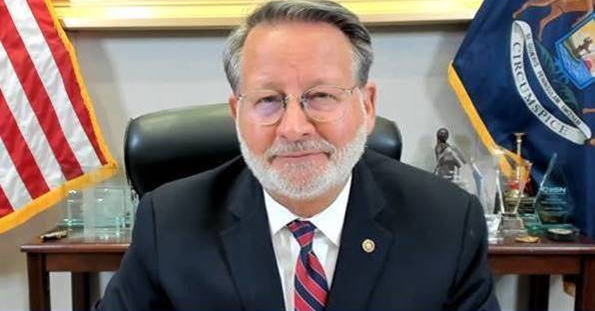
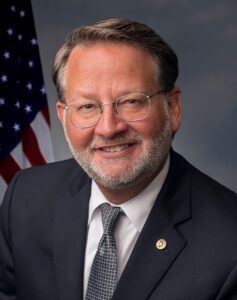
 WASHINGTON, DC – U.S. Senator Gary Peters (MI), a member of the Senate Appropriations Committee, helped the Senate pass the Fiscal Year 2026 Financial Services and General Government Appropriations Act. The bipartisan bill includes funding secured by Peters that will support high-impact, local public projects across
“This bipartisan legislation makes key investments to advance local community projects,
The bill includes numerous measures led and supported by Peters, including:
Supporting Local Economic Development, Stronger Communities
Assisting Michigan Communities Impacted by “Low Snow” Winters: Peters secured a provision in the bill that would seek to
Supporting Wayne County Small Businesses: The bill provides $1 million to Wayne State University to help expand its entrepreneurial support and small business development services across Wayne County.
Improving Small Business Support in Grand Rapids: Peters secured more than $1.8 million in funding for the City of Grand Rapids. Specifically, the funding will be used to modernize the West Michigan Works! Office space to enhance its services for small business and workforce development.
Continued Investment in the Community Development Financial Institutions (CDFI) Program: The bill includes $324 million for the CDFI Fund, which provides credit, capital, and financial services to underserved populations and communities in Michigan and across the country. Throughout his time in the Senate, Peters has consistently championed efforts to support the CDFI program.
Improving Access to Capital in Low-Income Communities: The bill also includes $3.4 million secured by Peters for the Community Development Revolving Loan Fund, which helps low-income
Preserving Local Lansing History: Peters secured $210,000 for Michigan State University to support the digital preservation of the Lansing Labor News in order to preserve the historical record of the Lansing region.
Holding Government Accountable, Conducting Oversight
Protecting Independent Inspectors General: Peters fought to include robust funding for the Offices of Inspectors General (OIG) in the bill. OIG personnel are responsible for providing independent oversight of federal programs, working to identify potential waste, fraud, and abuse. Additionally, Peters secured bill language prohibiting the use of appropriated funds to deny full and prompt access by Inspectors General to agency records and information. Peters has consistently championed these provisions, which are particularly important