

Knowledge • News • Insights

In Partnership With

Your questions + our expertise = solutions. Click here to find your solutions. Foster Swift.

Michigan Business Beat | Lindsey Mead, Foster Swift, Women-Owned Business Certifications

MBN: Lindsey Mead Foster Swift

fosterSwiftLogo Cropped-1

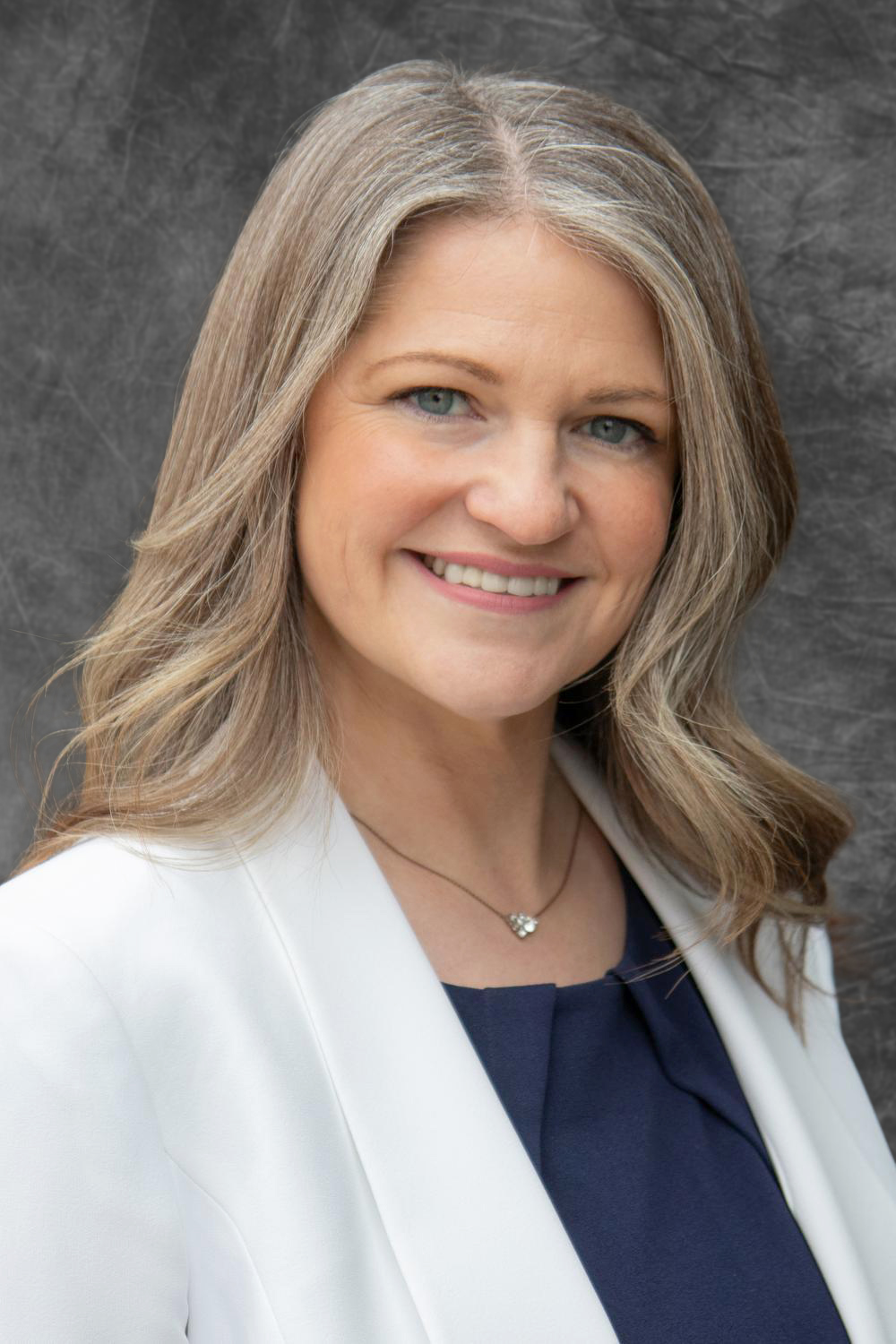
Chris Holman welcomes back Lindsey M. Mead, Associate, Foster Swift Collins & Smith PC Attorneys Lansing with 5 offices across Michigan.

Watch Lindsey and Chris discuss WBENC and SBA certifications and how women-owned businesses can qualify, apply, and grow through them in the YouTube video shared below:

In their conversation, Chris looked to find out several things from Lindsey;

 (1) What is the WBENC WBE certification? There are a lot of acronyms here, but WBENC stands for the Women’s Business Enterprise National Council. WBENC offers a women’s business enterprise or WBE certification. Through the WBENC, WBE-certified businesses are offered the opportunity to work with diverse suppliers and purchasing executives with hundreds of United States corporations that accept WBENC certification. The WBENC connects certified women businessowners to their community through networking events and mentoring programs, as well. The WBENC encourages all certified women-owned businesses to utilize their authorized logo and seal after receiving WBE certification so these businesses can showcase its commitment to women ownership and leadership in an easily identifiable way.

(2) What is a WOSB or EDWOSB certification? The United States Small Business Administration has created two contracting programs – the women-owned small business or WOSB program and the economically disadvantaged WOSB program or EDWOSB program. To participate in either, you must qualify as a small business under the SBA’s size requirements and receive a WOSB or EDWOSB certification from the SBA. The intention when creating these programs was to level the playing field for women business owners in predominately male-dominated industries. The SBA limits competition for certain federal government contracts to certified WOSBs or EDWOSBs only. However, the SBA maintains a list of eligible trades and industries that can qualify for either program – they are not available certifications to all women-owned businesses.
 
(3) What are the typical eligibility criteria you see for these types of federal certifications? Though the eligibility criteria differs through each individualized program, these certifications are looking for evidence that your business is at least 51% owned, controlled, operated, and managed by a woman or multiple women. To prevent situations where a company obtains WBENC or SBA certification simply by assigning ownership shares to a woman while not allowing her to actively lead or manage the business, both organizations require documentation proving that the woman owner – or multiple women owners – are directly in control of the daily operations of the business and have invested capital in the business.
 
(4) What types of documents could interested women-owned businesses begin to compile if they were interested in obtaining either WBENC or SBA certifications? Again, the specific document lists vary depending on the actual certification you are interested in, though the WBENC and SBA have quite a bit of overlap in their requests. Examples of the documents you may be requested to provide to complete a certification application through either WBENC or SBA include evidence of the history of your business; documentation or professional business licenses; evidence of ownership and management details related to the business; proof of U.S. citizenship for the women owners; financial statements and related data; personnel information; and business structure and governance data, such as a business’ state-specific organizing documents.
 
(5) How can Foster Swift help me and my business apply for these types of certifications? Through either the WBENC or SBA, both organizations permit applicants of their certification programs to delegate attorneys to assist with compiling the necessary information for their certification applications and submitted that application on their behalf. My colleague, Amanda Dernovshek, and I have both assisted clients with these processes in the past. We first assess whether your business qualifies for the certification program you are interested. Then we assist with filling out questionnaires related to the applications and obtaining the necessary documents either the WBENC or SBA would expect to see to supplement the relevant application. After that, we serve as the main correspondent with the relevant agency to answer questions or provide additional information about the application, should inquiries arise. We also are willing to assist clients with reassessments and continuing to maintain their certifications after obtaining them from either agency.

» Visit MBN website: www.michiganbusinessnetwork.com/
» Subscribe to MBN’s YouTube: www.youtube.com/@MichiganbusinessnetworkMBN
» Like MBN: www.facebook.com/mibiznetwork
» Follow MBN: twitter.com/MIBizNetwork/
» MBN Instagram: www.instagram.com/mibiznetwork/
 

Lindsey Mead is an associate with the firm’s Business & Tax practice group in Lansing. Lindsey focuses on business law, business contracts, intellectual property, and legal matters associated with business’ use of artificial intelligence (AI). She is also a member of the firm’s mergers & acquisitions deal team. 

In addition to her focus on business law, Lindsey is passionate about the arts and the film industry and how entertainment law intertwines with intellectual property and business law. She hopes to expand her practice to work in entertainment law.

Lindsey, along with fellow business attorney Amanda Dernovshek, co-hosts a podcast titled Businesswomen Talking, which provides a platform for women entrepreneurs in the state of Michigan to share their stories as business owners and discuss a number of legal topics that can pose hinderances for women leaders such as succession planning, IP protection, and entity selection/organization.

Lindsey and Amanda recently sat down on the Small Business Association of Michigan’s Small Business Weekly Podcast to discuss how they assist their clients with obtaining women-owned and minority-owned business certifications. You can listen to the podcast here.

Lindsey began her journey with Foster Swift in 2022 as a Summer Associate before returning to the firm full-time in 2023. Lindsey received her Juris Doctor from The Ohio State University’s Moritz College of Law. While attending OSU, she served as the Communications Editor for the Ohio State Business Law Journal. She also participated in Ohio State’s Entrepreneurial Business Law Clinic to help local non-profits and OSU students organize start-ups and incorporate their businesses through the program.

Community Involvement:

Lindsey continues to volunteer as much as she can with the elderly and still visits with friends at Community Village Assisted Living Facility in Saginaw. She serves as the Membership Director of Women Lawyers Association of Michigan for the Mid-Michigan Region. She is a member of ATHENA WIN, a Lansing organization focused on offering information, support, and opportunities to women in business. She is also a member of Saginaw Valley State University’s Alumni Board of Directors.

Images courtesy of Foster Swift
What's Hot

Get the latest news from MBN right in your inbox

Sign up for our newsletter and never miss a beat.