The Core Idea of the Show: Culture Isn’t Soft—It’s Strategic
At its heart, It’s A People Problem argues that most workplace challenges don’t come from bad intentions or lack of talent—they come from misunderstanding. We may speak the same language, use the same tools, and sit in the same meetings, yet still interpret urgency, respect, accountability, and priorities in very different ways.
Cultural Intelligence (CQ) is the framework that ties the series together. CQ isn’t about being “nice” or memorizing social customs. It’s a learnable business skill: the ability to recognize when misalignment is happening, adapt communication in real time, and navigate differences without judgment. In a world shaped by global supply chains, remote work, rapid technology, and generational change, CQ has become a core leadership competency—not a bonus.
This mini‑series focuses on the “people behind the systems,” helping Michigan’s business leaders, managers, and entrepreneurs turn cultural complexity into a competitive advantage.
Segment 1: Welcoming a New Voice—and a New Perspective
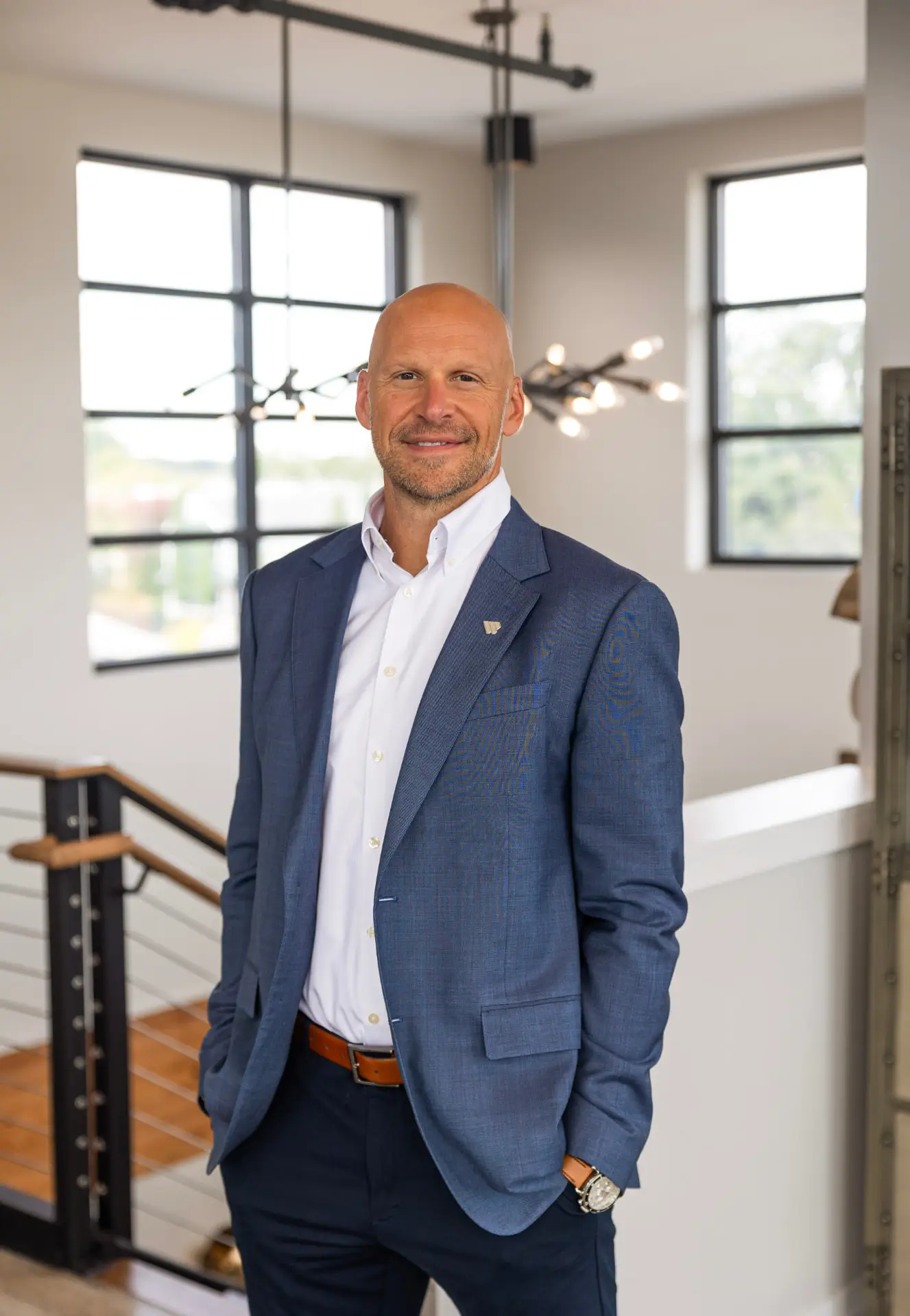
As tradition dictates, Chris Holman opens the show by welcoming a new content contributor to Michigan Business Network. This time, he introduces Fathy Shetiah as the host of It’s A People Problem.
Fathy shares his personal and professional journey as a first‑generation immigrant who moved to the U.S. at age 14 and grew up navigating language and cultural barriers in Michigan. That lived experience led him to found 7C Lingo in 2007, addressing real‑world needs for language access, cross‑cultural training, and communication support. As a certified CQ Facilitator, Fathy explains Cultural Intelligence and why it has become a critical business skill in 2026. He also outlines what listeners can expect from the mini‑series—drawing from both his expertise and the voices of guests who live this work every day.
Segment 2: A Veteran View on Culture and Business Change
In the second segment, roles reverse as Fathy interviews Chris Holman, offering a long‑range perspective on how Cultural Intelligence has evolved in business over the decades.
Chris reflects on how, in the 1980s, cultural differences were often ignored or handled through a “sink or swim” mentality—employees were expected to adapt, period. He contrasts that with today’s reality: global teams, international partnerships, and increasingly diverse workplaces where misunderstanding can be costly. Through real‑world examples from international business experiences in places like Japan and China, Chris highlights how small cultural missteps can lead to big consequences—and how intentional leadership can turn those same differences into strengths.
Segment 3: Why Communication Breaks Down—Even When We Agree
This segment introduces the central premise of the show: communication is inherently hard. Even when people think they agree, they often aren’t truly aligned because they’re filtering messages through personal experiences, assumptions, and cultural lenses.
The discussion emphasizes that shared language does not equal shared understanding. Words like “urgent,” “done,” or “respect” can mean very different things to different people. Add rapid technology, constant noise, and diversity of backgrounds, and the challenge multiplies. Cultural Intelligence is presented as the “upgrade” that helps leaders sync communication, slow down misunderstandings, and focus on the humans executing the systems—not just the systems themselves.
Segment 4: Communication in Context with Mandy Mann
In Segment Four, Fathy welcomes Mandy Mann, an engagement strategist at 7C Lingo, who shares how communication styles must shift depending on environment and audience.
Drawing on her experience in both quick‑service retail operations and professional services, Mandy contrasts fast, directive communication with the more thoughtful, deliberate approach required in corporate and consulting settings. She also addresses the paradox of technology: while it gives us more ways to connect, it often distances us from the human on the other side of the screen. Cultural Intelligence, she explains, is about recognizing when misunderstanding is happening and consciously adjusting style and delivery in real time.
Segment 5: Operations, Expectations, and the Human Element
Segment Five features Hannah Winright, operations manager at 7C Lingo, who offers a behind‑the‑scenes look at managing communication across clients, cultures, and continents.
Hannah describes balancing the vastly different expectations of hospitals, courts, and global interpreters—where “urgent” might mean a week for one client and same‑day service for another. She discusses the importance of reading between the lines in virtual communication and how experience, not scripts, enables effective decision‑making. Her reflections on moving past an ethnocentric mindset underscore how CQ development is a personal and professional growth process.
Segment 6: Cultural Intelligence in the Real World—Cairo, Egypt
The final segment brings CQ to life through Hannah’s October 2025 trip to Cairo for an international conference. Accustomed to detailed advance planning, she explains how she had to adapt to a culture where logistics often come together at the last minute.
Using a spider analogy, Hannah describes Cultural Intelligence as learning to coexist with different norms rather than trying to eliminate discomfort. Beyond professional insights, she shares personal experiences traveling solo in Cairo—finding a massive, dynamic city that felt welcoming and safe, despite common misconceptions. The segment reinforces a key theme of the series: CQ isn’t about mastering every culture—it’s about flexibility, respect, and openness when the rules are different.
It’s A People Problem launches with a simple but powerful message: business success in 2026 depends less on having the perfect system and more on understanding the people who operate it.