
Faces of Manufacturing is a newer show to Michigan Business Network. Cindy Kangas, Executive Director, CAMC, Capital Area Manufacturing Council, Lansing, Michigan, co-hosts with Joy Wagner, HR Manager of Granger Waste Services, also Lansing.
Cindy and Joy strive to share the corporate culture, personal stories, and unique personalities of those making a living in manufacturing today, in Michigan. With that in mind, this month they connected with several team members of Granger Waste Services.
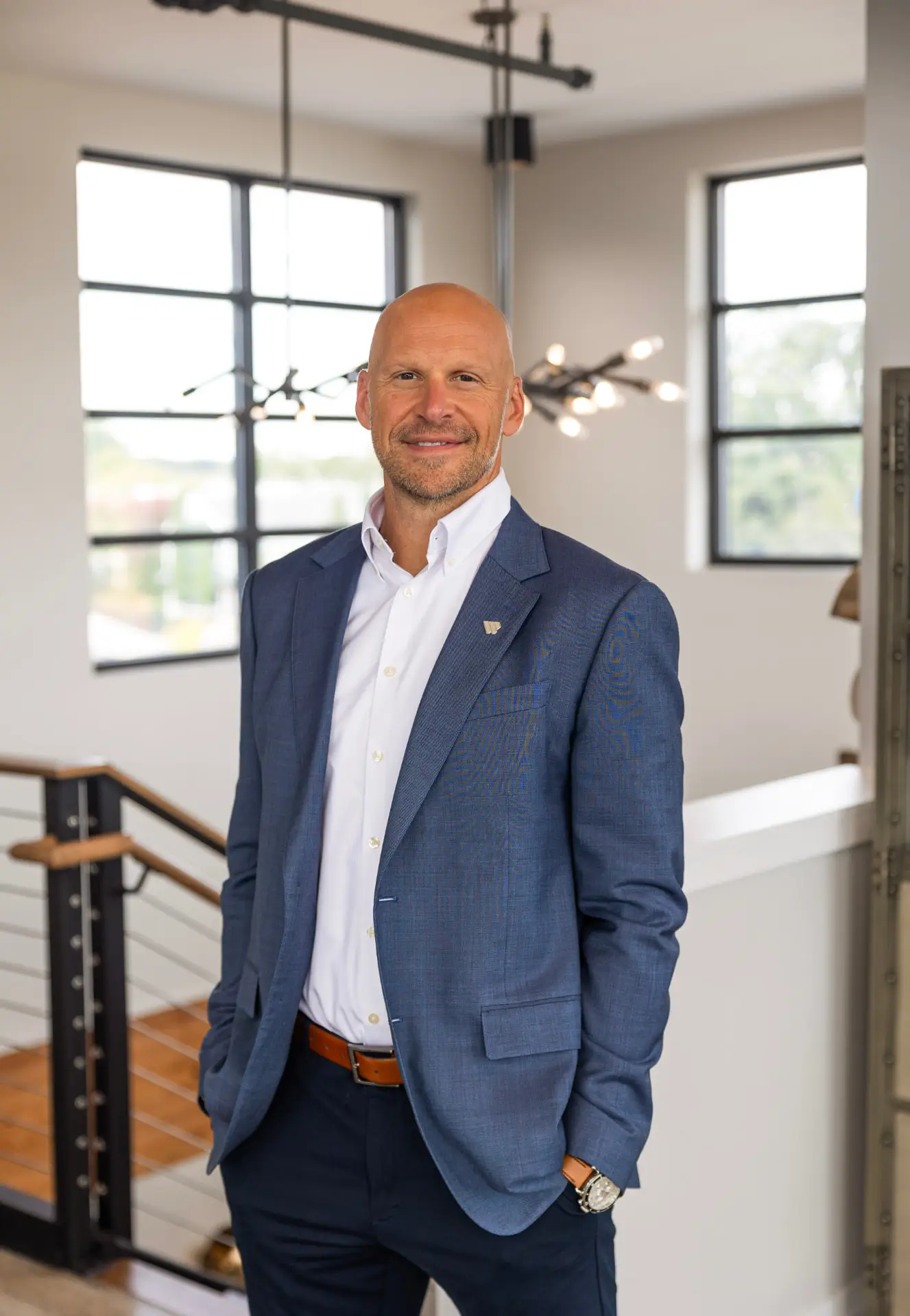
Hear Cindy and Joy find out how EW Grobbel, a 143-year-old Detroit food manufacturer builds its workforce, strengthens culture, and grows in Michigan and more in Episode 21 of this show on MBN in the 6-segment SoundCloud Podcast episode shared below.
Cindy and Joy share that for this interview they sat down for Episode 21 of Faces of Manufacturing on MI Business Network with Jason Grobbel of EW Grobbel .
Segment 1 – Open discussion.
Segment 2: Company Overview, 140+ Years of Detroit Manufacturing
- For listeners who don’t know EW Grobbel, describe what you do and the scale of what you produce, 22 to 25 million pounds of corned beef a year, and what that looks like on the floor.
- Your great-grandfather founded the company in 1883 in Eastern Market. What is the throughline between that original business and the roughly $200 million company you run today?
- You now operate five brands, including Grobbel’s, Sy Ginsberg’s, Freirich Foods, Topor’s Pickle Company and Ba-Tampte. How did that portfolio come together, and how do the brands complement each other?
- How has EW Grobbel’s history in Detroit and Eastern Market shaped the way you build and staff the company?
- What do most people misunderstand about what modern food manufacturing actually looks like on a daily basis?
Segment 3: Team Culture, Leading a Physical, High Turnover Workforce
- Food manufacturing is physically demanding work that has historically seen high turnover. How do you define a strong culture in that kind of environment?
- Can you point to a specific program or policy change that made a measurable difference in how people feel about working at EW Grobbel?
- You’ve said developing people is a top leadership priority. What does that mean in practice for someone starting on the production line?
- With five brands and multiple facilities, how do you maintain a shared culture without it feeling disconnected from leadership?
- Your book, “Leading America Back to Work,” lays out your philosophy on employment. What is its central argument, and how does it guide your day-to-day decisions?
Segment 4: Workforce Growth, Expanding into a Third Michigan Facility
- How many jobs will the new facility create, and which positions are you prioritizing first?
- What do you see as the biggest workforce challenge in scaling from two facilities to three?
- How are you adapting your hiring and training pipeline to support a larger footprint while protecting quality and culture?
- What does this expansion suggest about the broader outlook for manufacturing jobs in Michigan?
Segment 5: Employee Retention, Keeping Skilled Trades Staffed and Engaged
- Which roles are hardest to retain, and what have you learned about why employees leave manufacturing jobs?
- How does EW Grobbel compete for skilled trades talent against other manufacturers and industries outside manufacturing entirely?
- As a father of five and the fourth generation to lead the company, how do you think about building a workplace where people have the opportunity to build a career, not just a job?
Segment 6 – Closing discussion.
What does it take to keep a Detroit manufacturing company growing for more than 140 years? Jason Grobbel, fourth-generation president of EW Grobbel, joins Faces of Manufacturing to discuss the people, workplace culture, and workforce strategies behind one of Michigan’s longstanding food manufacturers.
Founded in Detroit’s Eastern Market in 1883, EW Grobbel produces 22 million to 25 million pounds of corned beef annually and operates a portfolio of brands that includes Grobbel’s, Sy Ginsberg’s, Freirich Foods, Topor’s Pickle Company, and Ba-Tampte.
Grobbel discusses building a strong workplace culture in a physically demanding industry, developing employees into long-term team members, retaining skilled workers, and preparing for expansion into a third Michigan facility in St. Clair Shores.
The conversation explores how manufacturers can compete for talent, invest in employee development, and preserve their culture while growing. It’s a look at the people behind Michigan manufacturing and the workforce that keeps production moving.
Faces of Manufacturing highlights the people, leadership, and workplace cultures shaping Michigan’s manufacturing sector.
- Visit MBN website: www.michiganbusinessnetwork.com/
- Subscribe to MBN’s YouTube: www.youtube.com/@MichiganbusinessnetworkMBN
- Like MBN: www.facebook.com/mibiznetwork
- Follow MBN: twitter.com/MIBizNetwork/
- MBN Instagram: www.instagram.com/mibiznetwork/