

Lansing Stills Seeking Long-term Budget: What It Means for Business
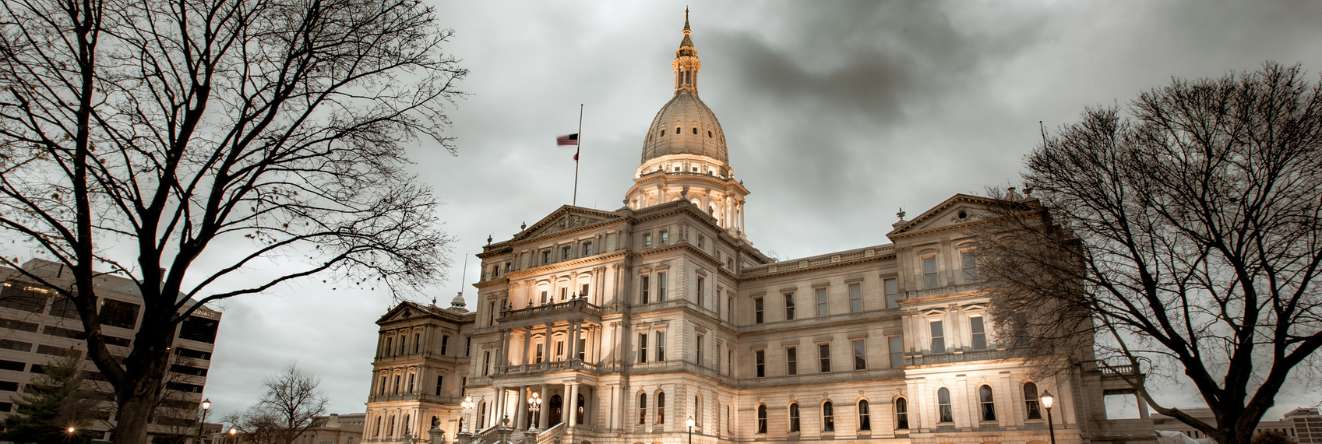
What we know: For the first time in 16 years, Michigan has entered a new fiscal year without a complete budget in place.
On Oct. 1, Gov. Gretchen Whitmer signed a temporary, one-week continuation budget to fund government operations through Oct. 8. The stopgap measure, passed in the early morning hours, became necessary after legislative leaders and the Governor failed to finalize the full 2025-26 budget before the midnight deadline, despite announcing a deal framework last week.
- The final agreement is expected to include a nearly $1.9 billion road-funding deal, a new tax on marijuana, and decoupling key tax provisions from the federal government. Additionally, the plan will likely eliminate the SOAR fund, used to attract and grow private investments in the state.
Cause for concern: It appears Michigan will decouple, or separate itself, from the tax reforms in the One Big Beautiful Bill Act. Doing so would amount to a $2 billion state tax increase on Michigan businesses over the next five years, putting them at a disadvantage compared to businesses in other states. See the Chamber’s previous letter with other leading business organizations voicing concern about decoupling.
Why it matters: While a temporary funding bill prevents a state-level shutdown for now, the delay and the unresolved details of the final budget are cause for concern. Fiscal predictability is paramount for a healthy economy. The failure to pass a timely budget disrupts planning for businesses, local governments, and school districts, which have been operating for three months without knowing their state funding levels.
- This budget also comes at a time when Michigan businesses are facing disproportionate risks with tariffs, supply chain challenges, and mounting global competition – all of which are jeopardizing Michigan businesses’ ability to drive economic growth and create jobs.
What’s next: The soonest the Michigan legislature is expected to have a deal is Friday, Oct. 3. That is, of course, subject to change.
The Chamber’s role: As negotiations continue, the Detroit Regional Chamber’s Public Policy and Business Advocacy team is in Lansing daily, advocating for key Chamber priorities, including robust economic and workforce development funding, as well as a competitive business environment. This includes pushing for decoupling to sunset, or come to an end, after five years. The Chamber will continue to monitor progress on the budget deal and provide updates as its terms are finalized.
LEARN MORE HERE
|
|

|


|
|
|
|


Chamber Hosts Detroit City Council President Mary Sheffield Ahead of Mayoral Election |
Last week, the Chamber welcomed Detroit City Council President and mayoral candidate Mary Sheffield to an exclusive event with the Chamber’s Board of Directors and other regional business leaders. The engagement provided a valuable opportunity to discuss the city’s future and reinforce the critical partnership between the Detroit Mayor’s office and the business community to continue Detroit’s economic momentum. |