


Highlights:
|
Article IX of Michigan’s Constitution: Finance and Taxation |
|

If Michigan voters approve a constitutional convention, Article IX—covering state and local finance—will be one of the most debated sections. Delegates would likely revisit long‑standing issues such as tax and revenue limitations, state borrowing rules, property tax caps, state‑shared revenues, alternative local tax options, and even public pension and retiree benefit protections. |
Article IX has historically drawn more amendment attempts than any other part of the 1963 Constitution, with 32 proposals and 10 successful changes in its first four decades. Major reforms like the Headlee Amendment (1978) and Proposal A (1994) reshaped Michigan’s tax and spending limits. In recent years, momentum has slowed—only one amendment has passed since 2000, adjusting spending caps for the Natural Resources Trust Fund and State Parks Endowment Fund. Because a state constitution’s most direct check on government power comes through tax and finance restrictions, delegates at a convention would face a central question: Which fiscal constraints belong in the constitution, and which should be left to legislative policymaking? |
Michigan’s Warning Lights are Flashing |
Using localized, data-driven strategies to achieve prosperity in Michigan |
|
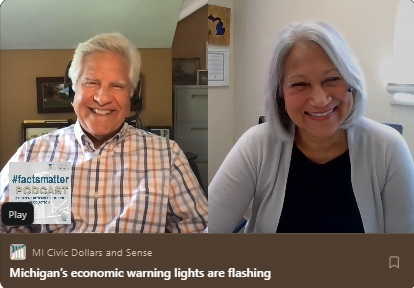
Michigan is stuck in the bottom tier for income, job growth, and population — but researcher Madhu Anderson says the turnaround won’t come from another statewide task force. It will come from the ground up. In this episode of #FactsMatter, Guy Gordon and Anderson dig into why and what might finally move the needle. |
Her research brief, Accelerating Michigan’s Path to Prosperity, argues that statewide “grand plans” haven’t delivered results. Instead, the real action is local. Using Harvard’s Opportunity Atlas and Social Capital Atlas, communities can now see — down to the neighborhood level — how children grow up, what their long‑term earnings are, and how social networks help or hinder them. The surprise? Grand Rapids quietly became one of the country’s fastest-growing cities for personal income, thanks in part to community‑driven strategies such as its Neighborhoods of Focus initiative. The takeaway: Michigan doesn’t need another blue‑ribbon commission. It needs to empower local leaders with better data, proven models, and the ability to tailor solutions to their own residents. The tools are free. The urgency is real. The path forward is local. Find all #FactsMatter podcasts on Substack, Apple, Spotify, Amazon or wherever you get your podcasts. LIKE and SUBSCRIBE! |
On the Road Again: The Research Council in Detroit and Grand Rapids |
|
|
|
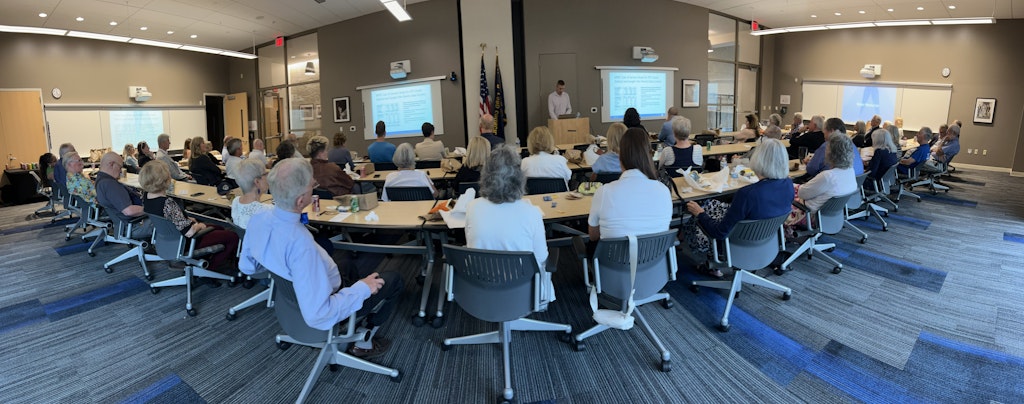
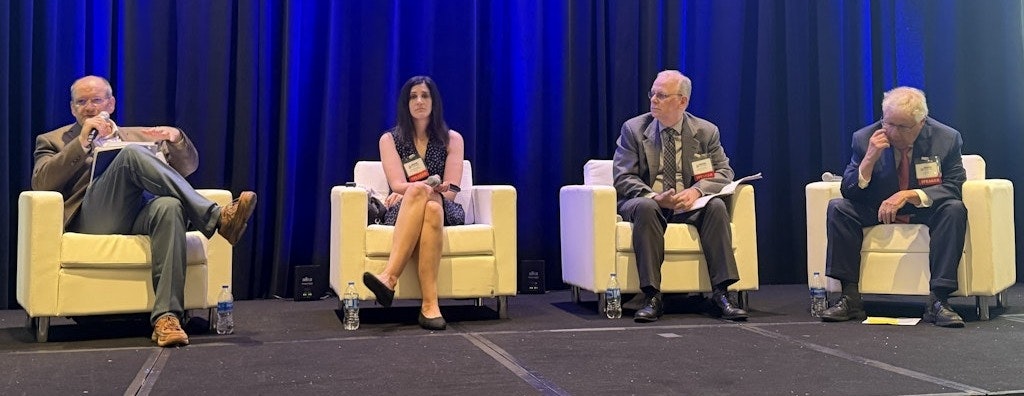
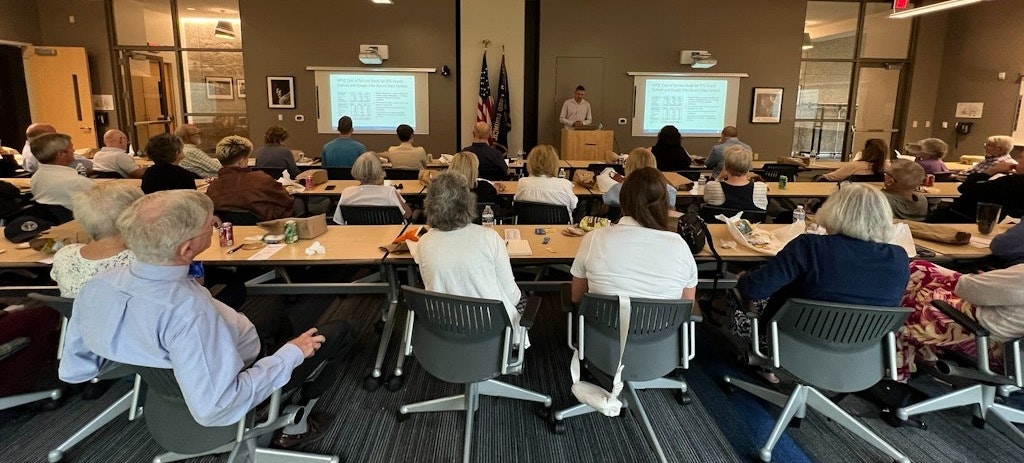
Eric Paul Dennis, the Research Council’s analyst for infrastructure, led a lunch and learn presentation on his most recent analysis: Data Centers in Michigan: Evaluation of Policy Controversies Regarding Hyperscale Data Center Development. The event was held last Tuesday at the Gerald R. Ford Presidential Museum in Grand Rapids. The presentation can be found here. On Thursday, August 6, Research Council President Eric Lupher moderated a panel discussion at the Michigan Economic Developers Association’s Premier Economic Summit in Detroit on The Role of Business Attraction Strategies in Michigan’s Recovery. Panelists were Lou Glazer, president of Michigan Future, and Karley Abramson and Robert Schneider, both Research Council analysts for health policy and state affairs, respectively. Schneider spoke on Michigan’s transition from high income to low income state over the decades. Abramson spoke on Social Determinents of Health findings. |
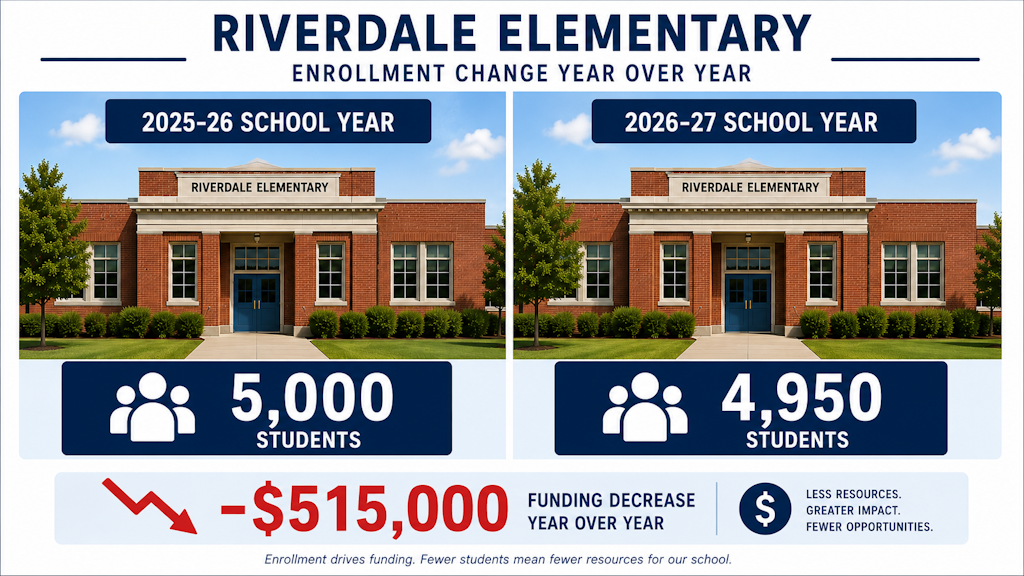
In a Nutshell — Declining student enrollment has been a financial challenge for Michigan K-12 school districts for over two decades and is projected to continue. But, only recently has the state begun to develop funding policies to address the fiscal realities arising from shrinking enrollments. — Michigan’s newly expanded declining enrollment policy provides meaningful short-term relief for districts facing immediate revenue losses, and it reflects a welcome recognition that shrinking enrollment is not a temporary or isolated problem. But the state funding policy relies on one-time resources and applies for only one year. — This creates significant risks for districts that build ongoing expenditures around temporary state dollars. State policymakers should consider whether declining enrollment assistance should become a permanent and sustainable component of the School Aid budget. |
Media Coverage |
Help Power Policy That Works for Michigan |
Our “Fact Tank” fuels better government through trusted, independent research. But it doesn’t run on fumes—it runs on your support. Make your tax-deductible donation today to keep Michigan informed, accountable, and moving forward. Ready to make a lasting impact? Learn more about planned giving today. |