


Highlights:
|
“Teen Takeovers” on the Rise? Evidence Shows Youth Crime Down in Detroit |

Despite sustained coverage of “teen takeovers” in the news, historically, youth crime in Detroit has been on the decline and Detroit crime rates are on par with two major peer cities. Both youth crime rates for larceny-theft and aggravated assault are considerably much lower in 2024 than in 2005. |
|
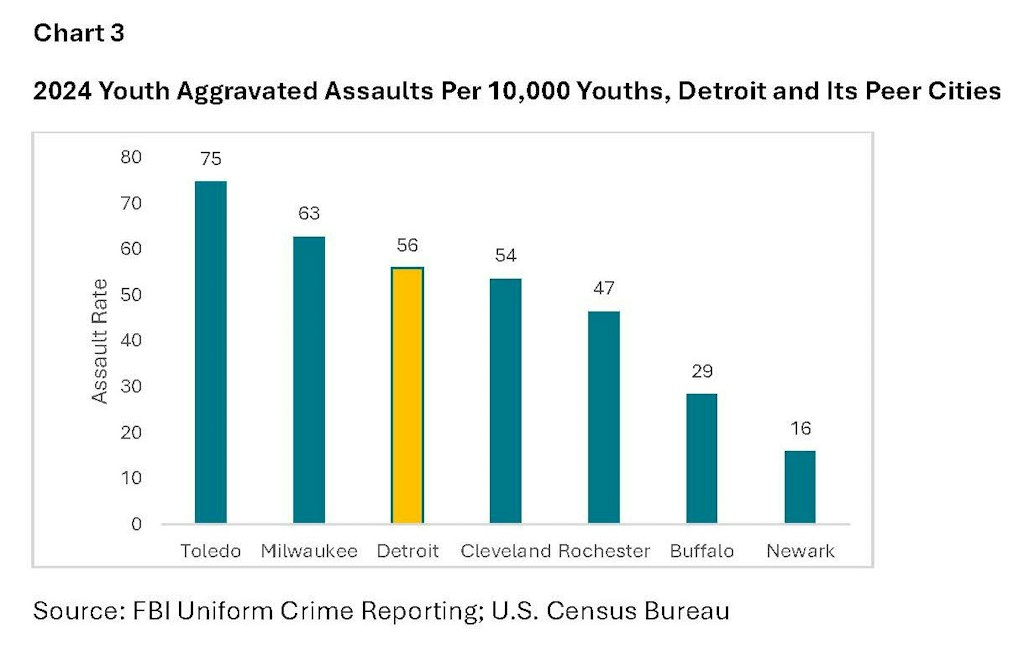
In a Nutshell — From 2005 to 2024, aggravated assaults among 10–19-year-olds in Detroit have declined by 73 percent, and larcenies by 63 percent. — Aggravated assault rates among 10- to 19-year-olds in Detroit have largely plateaued since 2018. In 2024, Detroit had the third-highest aggravated assault rate relative to the size of the youth population among peer cities, as well as the second-lowest larceny rate. — The Research Council recommends comprehensive youth crime-prevention policies that target individuals, families, schools, and social risk factors, including substance use, mental health, moral development, family bonds, school supports, and peer pressure. |
Con-Con Podcast Series: Article XI: What Michigan Could Rethink |
|
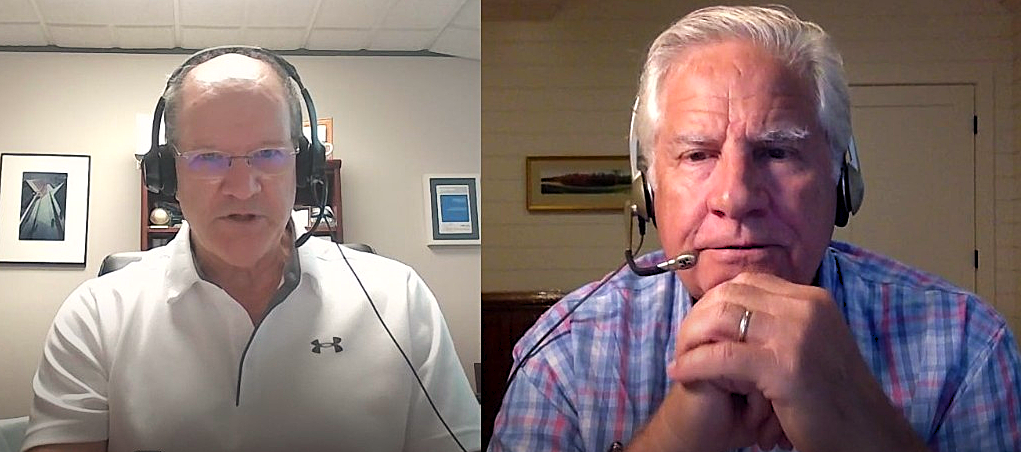
In this week’s #FactsMatter conversation, Guy Gordon and Eric Lupher break down how Article XI of the Michigan Constitution shapes public service—from civil service protections and bargaining rights to compensation rules, impeachment, and ethics—and what could change if voters approve a constitutional convention this November. What’s likely to stay: core safeguards like oaths of office, term structures, and limits on extra compensation. |
Where the real debate lies: Michigan’s merit‑based civil service system, public employee bargaining rights, outdated accountability provisions, and long‑standing ethics gaps. Civil service and collective bargaining: A convention could preserve current protections, expand bargaining rights, or give lawmakers greater budget flexibility—outcomes that hinge on who voters choose as delegates. Accountability fixes: Delegates could modernize the timing of budgeting and civil service pay decisions, clarify who counts as a “civil officer,” and close loopholes that allow removed officials to return to office. Ethics reform: With Michigan ranked near the bottom nationally for ethics and transparency, a convention could hard‑wire stronger disclosure rules, curb the revolving door, and create enforceable standards to break recurring gridlock. |
Find all #FactsMatter podcasts on Substack, Apple, Spotify, Amazon or wherever you get your podcasts. LIKE and SUBSCRIBE! |
Live Webinar on Prop. 2026-1, Tuesday 9/30/26 |
Live Webinar on October 1: Proposal 2026-02: Money Out of Politics |
|
On Tuesday, September 22 at noon, the Citizens Research Council will hold a live webinar for the public to walk through Proposal 2026-01, which will appear on statewide ballots this November, and asks voters whether a constitutional convention should be convened for the purpose of a general revision of the 1963 Michigan Constitution. If voters approve this question, it will trigger subsequent election of delegates, their convening in October 2027, and a process of drafting a new constitution to be submitted to the voters some time in the future. The Research Council has been publishing a series of papers and podcasts to provide information that voters may use to decide whether the convening of a constitutional convention is in the best interest of Michigan at this time. This webinar will review the highlights of that series. |
|

On Thursday, October 1 at noon, the Citizens Research Council will host a live webinar to walk the public through Proposal 2026-02, which will ask voters whether to enact an initiated statute. This statute aims to prohibit regulated electric and gas utilities, contractors with over $250,000 in annual government contracts, and individuals or organizations with significant connections to these utilities and contractors from making direct or indirect campaign contributions to candidates running for or holding offices that affect them. The proposal also would expand campaign finance laws and restrictions that regulate spending on political communications. This includes laws that require disclosing donor information and apply to communications that clearly identify candidates or ballot questions, even if they do not explicitly advocate voting for or against them. It would also ensure that the law requiring disclosure of who paid for political communications applies to political communications on the internet. |