


“The right to criticize government is also an obligation to know what you are talking about.” -Lent Upson, first director of Citizens Research Council.
It is Time to Revisit Michigan’s Revenue Sharing Programs |
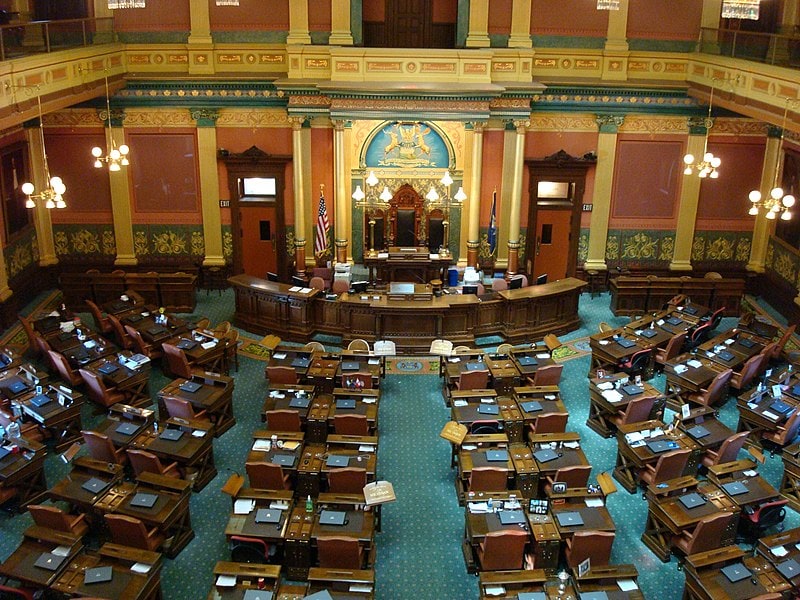
IN A NUTSHELL — Much of the revenues collected by the state are transferred from the state to other entities for the actual provision of services, including Medicaid, universities, K-12 education, highways and bridges, courts, enforcing liquor laws, and unrestricted state revenue sharing. — Because this practice violates the fundamental and sound principle that responsibility for raising money should accompany the pleasure of spending of it, prudence is served with state oversight of the funding to ensure that the funds are used as efficiently and effectively as possible to meet the state objectives. — Michigan citizens will benefit from intermittent legislative exercises to revisit the distribution of state resources to local governments (and others). |
Other Recent Council Briefs:
|

Unpacking the FY2026 State Budget: Six Things You Should Know |
Citizens Research Council of Michigan last week released a deep-dive analysis of the FY2026 budget, Unpacking the FY2026 State Budget: Six Things You Should Know. IN A NUTSHELL — After an arduous budget cycle, the Michigan Legislature finally completed work on the state’s FY2026 budget in the early morning hours of October 3, avoiding a shutdown of state government operations. — The budget agreement will eventually generate $2 billion in new annual road funding. It also implemented legislation to mitigate much of the anticipated $1.1 billion hit to the FY2026 budget arising from the enactment of the federal OBBBA. — To their credit, lawmakers approved a structurally balanced budget free of gimmicks that would have pushed off real decision-making on needed cuts. However, future cost pressures tied to OBBBA changes in the financing of Medicaid and food assistance leave little room for growth in the GF/GP budget over the next several years. |
Other Recent Council Reports:
|