

69% of Michiganders admit to driving over the speed limit in a new AAA survey
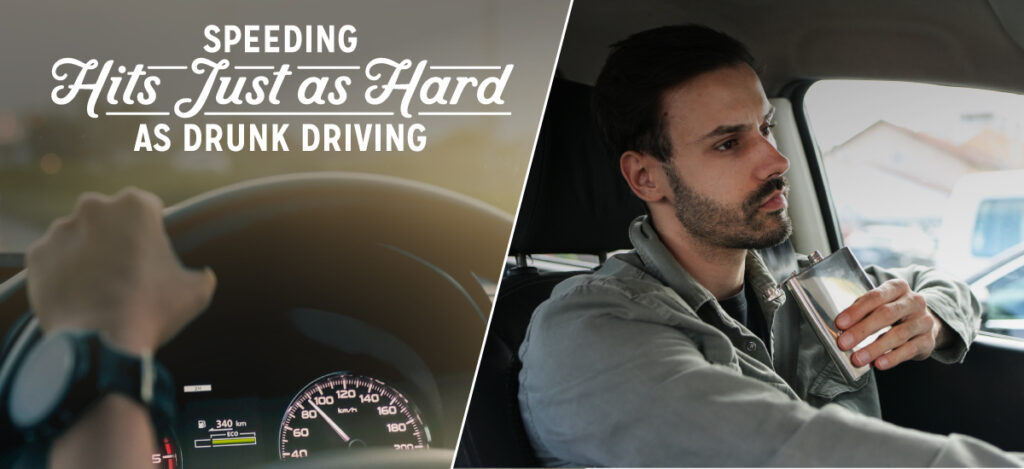
DEARBORN, Mich., (October 27, 2025) — Speeding may not feel reckless, but AAA warns it’s just as deadly as drunk driving. Through its bold new campaign, “Crashes Hit Different,” AAA aims to change public perception and highlight the real consequences of excessive speed.
According to the National Highway Traffic Safety Administration (NHTSA), drunk driving accounted for 30 percent of traffic fatalities, while speeding was responsible for 29 percent. These nearly identical figures demonstrate how speeding is just as lethal on our roads as driving under the influence, and yet, it often receives far less public attention.
“Drunk driving is universally condemned, and rightly so,” said Adrienne Woodland, spokeswoman for AAA–The Auto Club Group. “Yet despite posing similar risks, speeding remains socially acceptable. That’s a dangerous double standard. It’s time we treat speeding with the same urgency and accountability as impaired driving. Both are equally deadly, and just as preventable.”
Speeding vs. Drunk Driving: The Risks Are Alarmingly Similar
- Impaired reaction time and heightened crash risk
- Preventable injuries and fatalities
- Drunk driving carries stigma—speeding, not so much
New AAA Survey: Michigan Drivers Are Speeding… and Know the Risks
- 69% admitted driving over the speed limit
- Yet 68% of them blamed “keeping up with traffic,” and 27% said “a few mph over doesn’t count”
- 80% agreed speeding increases the chances of severe injury or death
Speeding shortens reaction time, increases crash force, and contributes to 40,000 traffic deaths each year nationwide.
AAA’s Call to Action: Make Speeding as Unacceptable as Drunk Driving
AAA urges drivers, lawmakers, and communities to embrace a cultural shift.
Here’s how we start:
- Follow posted speed limits and self-monitor speed
- Eliminate distractions behind the wheel
- Buckle up—seatbelts save lives
- Never drive impaired by alcohol or drugs
“Speeding is dangerous, preventable, and devastating,” added Woodland. “Slowing down means fewer crashes, fewer tragic headlines, and fewer broken hearts.”